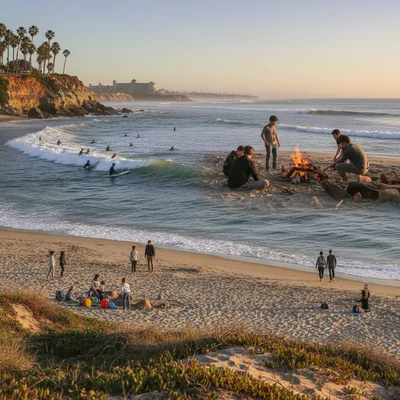
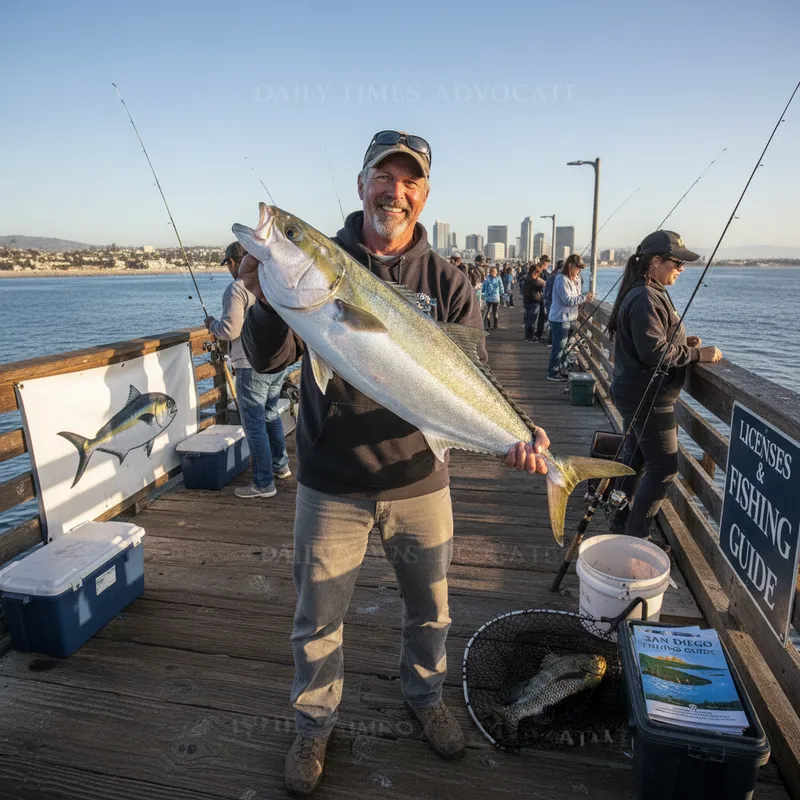
San Diego County is one of the rare places where an angler can chase surf perch at sunrise, spotted bay bass at lunch, and largemouth bass or stocked trout before dinner, all without leaving the county line. The trick is matching the water to your goal, and knowing when you do and do not need a fishing licence, what tackle rules apply, and which areas have extra protections for habitats and wildlife.
This guide rounds up reliable, public-access fishing locations across the surf, bays, piers, offshore and inland reservoirs, with the most common species you can expect. It also outlines the basic California Department of Fish and Wildlife (CDFW) licence requirements, plus local rules from City of San Diego reservoirs that can surprise first-time visitors. Regulations change, and seasons and closures can shift, so treat this as a planning guide and confirm details before you go.
Before you cast: For licences, regs and the current Ocean Sport Fishing rules, start with CDFW. For inland waters and reservoir rules, check the City of San Diego Reservoirs and Lakes page. You can buy licences online through CDFW’s portal, and carry a digital copy on your phone.
- California Department of Fish and Wildlife licensing
- CDFW regulations and current rulebooks
- City of San Diego reservoirs and lakes, fishing rules
Do you need a fishing licence in San Diego County?
In California, anyone 16 and older generally needs a valid fishing licence to fish, whether you are keeping fish or practicing catch-and-release. There is one major exception that matters in San Diego, public ocean fishing piers. On designated public piers, you can fish the ocean without a state fishing licence, as long as you stay on the pier and follow all other regulations, including size and bag limits.
Licence-free pier fishing is why the county’s piers are popular for families and visitors. The moment you step off the pier to fish the beach, rocks, jetty, bay shoreline, kayak or boat, the licence requirement returns.
Inland waters (lakes, reservoirs, rivers) always require a licence for anglers 16 and older. Some reservoirs also charge an entry or permit fee, and may require equipment inspections for boats and float tubes.
Licence types vary, including annual and short-term options. Purchase through CDFW (wildlife.ca.gov) and keep proof on you. If you are new, consider adding an Ocean Enhancement Validation for certain marine fishing methods. CDFW provides a clear breakdown at checkout.
Best pier fishing in San Diego for easy access (no licence needed on the pier)
If you want simple, low-cost saltwater fishing, start at a public pier. Most have lighting, railings, bait-friendly structure and a mix of nearshore and mid-water species. Bring a small cooler, a tape measure, and a way to safely release fish, and always leave room for pedestrians and wildlife.
Imperial Beach Pier
10 Evergreen Ave, Imperial Beach, CA 91932. Hours: 7 am to 8:30 pm (check City of Imperial Beach for updates). This 1,491-foot pier reaches deeper water and is a classic mixed bag spot. Nearshore, expect barred surfperch, California corbina and yellowfin croaker. On grunion nights near a full moon in summer, halibut can slide in tight. Toward the end, look for mackerel, bonito and the occasional small barracuda. Amenities include restrooms, fish-cleaning stations and Tin Fish restaurant on the pier.
Coronado Ferry Landing Pier
1201 1st St, Coronado, CA 92118 (pier access behind the shops). Hours: 5 am to 11 pm. It is short (about 377 feet), clear and shallow, and best with light tackle. Expect sand bass, spotted bay bass, mackerel and bonito, plus perch, croakers, rays and small sharks. Follow posted fishing zones and be courteous to ferry riders and shoppers.
Embarcadero Marina Park South Fishing Pier
200 Marina Park Way, San Diego, CA 92101 (near the Convention Center). Hours: 6 am to 10:30 pm. A compact, T-shaped pier with an artificial reef nearby. Expect bonito and mackerel when schools move through, plus bay bass and sand bass. This is a good “before or after dinner” option if you are staying downtown.
Shelter Island Pier
1401 Shelter Island Dr, San Diego, CA 92106. Hours vary by season, commonly early morning to late evening. This is in the heart of San Diego’s sportfishing scene, close to launch ramps and bait shops. Expect mackerel, bonito at times, bay bass, sand bass and occasional halibut. Wind and boat traffic can affect bite windows.
Crystal Pier (Pacific Beach)
4500 Ocean Blvd, San Diego, CA 92109. Public fishing access is limited because the pier also hosts rental cottages. When accessible, it is a proven producer for barred surfperch, shovelnose guitarfish and seasonal halibut. Parking in Pacific Beach can be the hardest part, consider transit on busy weekends.
For pier “how to” planning, the San Diego Tourism Authority’s rundown of local piers is a useful starting point: sandiego.org/c/sunny-7/7-pier-fishing-spots.
Best surf fishing beaches in San Diego for corbina, croaker and halibut
Surf fishing is one of the county’s most accessible fisheries, but it is not “licence-free”. If you are 16 or older, you need a California fishing licence when fishing from the beach. What you gain is variety, solitude and the chance at truly wild fish, from croakers and surfperch to leopard sharks and the occasional surprise visitor.
Local surf anglers regularly target species such as California corbina, spotfin croaker, barred surfperch, yellowfin croaker, California halibut, calico bass and leopard shark, among others, depending on season and water conditions. A good primer on common surf species and why the surf can be so productive is laid out by Surf Fishing SoCal SD: surffishingsocalsd.com.
Where to start: Sandy, gently sloping beaches with troughs, rip currents and “cuts” in the sandbar often fish best. Look for:
- Pacific Beach and Mission Beach, where long sandy stretches support surfperch and croaker, and halibut can show during bait runs.
- Coronado’s oceanfront, for classic sand species and grunion-related predator bites in summer.
- North County beaches (Del Mar to Oceanside), where barred surfperch, croaker and occasional corbina show in spring and summer.
What you can catch: In close, expect barred surfperch and croaker on light tackle. As water warms, corbina become a prized, sight-fishing target in the wash. Halibut often key on baitfish and grunion activity. In some stretches, especially around structure and deeper holes, rays and leopard sharks are possible.
Practical tip: Build your day around tides. Many surf anglers favour a moving tide, especially the last of the incoming and the first of the outgoing. Keep an eye on beach rules about grunion runs and protected wildlife areas.
Best places to fish San Diego Bay and Mission Bay for spotted bay bass
The bays are where San Diego’s “after work” fishing culture shines. You can fish from shore, a rented skiff, kayak or stand-up paddleboard, and still have a realistic shot at quality fish. Here, the headline species for many locals is the spotted bay bass, with sand bass, halibut, mackerel and an assortment of perch and rays depending on location.
San Diego Bay shore access spots: SDFish forum users regularly point newcomers to public, shore-friendly stretches such as Shelter Island, Harbor Island, Liberty Station, Spanish Landing, the Embarcadero, Coronado’s Tidelands Park, Glorietta Bay and Pepper Park. These areas offer long walks of rip-rap, docks, edges and flats that hold bass year-round. The key is covering water and fishing structure patiently.
Mission Bay basics: Mission Bay is shallower and more “weedy” than San Diego Bay, with eelgrass, bridges and channels that concentrate fish. It can be excellent for bay bass and halibut when bait is present. If you are fishing from shore, focus on channel edges, bridge shadow lines and current seams.
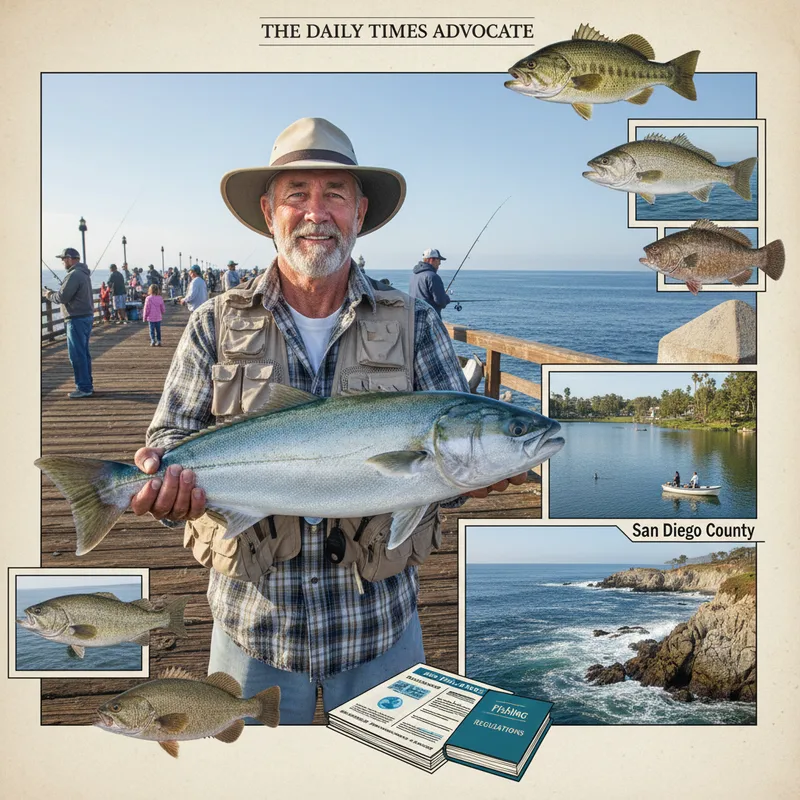
What to expect: Plastics (soft baits) are common for bay bass, while live or cut bait can draw rays and sharks. Halibut often show where baitfish stack along sand and channel edges. Please note that eelgrass is protected habitat, avoid dragging anchors or gear through beds, and check local signage for restricted zones.
For a deeper dive into how San Diego Bay differs from Mission Bay and how wind and depth affect the bite, anglers often cite the SDFish “Tips & Tricks” thread as a useful overview: sdfish.org.
Getting there without parking stress: On crowded weekends, public transit can save time. Our guide to the region’s trolley upgrades explains where service is expanding and how to plan around stations and park-and-rides: San Diego MTS receives $60.4 million for trolley fleet moder.
Best freshwater lakes and reservoirs in San Diego for bass, catfish and trout
San Diego’s freshwater fishing is centred on reservoirs and lakes managed by the City of San Diego and other agencies. These waters are known for largemouth bass, catfish, panfish and, in cooler months, stocked rainbow trout at select lakes. Every inland trip requires a California fishing licence for anglers 16 and older, and most waters charge day-use or entry fees. Some also have strict boat inspection rules to prevent invasive mussels.
The City of San Diego maintains an overview of which reservoirs hold species including largemouth bass, sunfish, catfish, crappie and trout (trout are listed for Miramar, and other waters may have seasonal stockings). See the city’s official list: sandiego.gov/reservoirs-lakes. Trout stocking schedules are posted by CDFW: nrm.dfg.ca.gov.
Lake Miramar
10710 Scripps Lake Dr, San Diego, CA 92131. A city reservoir with shoreline access and a popular walking path. Expect largemouth bass, bluegill and, seasonally, rainbow trout. It is a good “bring one rod” lake for beginners, with plenty of bank spots. Check the city’s current hours and fees before going.
Murray Reservoir
5540 Kiowa Dr, La Mesa, CA 91942. Close to neighbourhoods and easy to reach, with bass, catfish and sunfish. This is a strong option for evening catfish sessions in warmer months and finesse bass fishing when crowds thin out.
Lower Otay Reservoir
2560 Wueste Rd, Chula Vista, CA 91911. Known for bass and catfish, and a more “big water” feel. Access and boating rules can change with water levels, so confirm conditions on the city site.
El Capitan Reservoir
1700 Mast Blvd, Lakeside, CA 92040. A classic East County reservoir for bass and catfish, with room to spread out. Early mornings can be productive for bass around structure and points.
Barrett Reservoir
1945 Barrett Lake Rd, Dulzura, CA 91917. Often mentioned as a trophy-bass destination, but it operates with limited access and specific rules. Plan ahead and double-check entry, boating and inspection requirements.
Practical tip: Many reservoirs have barbless hook rules for certain methods, restricted areas near dams, and specific hours that change seasonally. If you are planning to float-tube or launch, call ahead or check the official pages the morning of your trip.
Best offshore and charter fishing from San Diego for tuna and yellowtail
If your idea of “San Diego fishing” is bluefin tuna and yellowtail, you are in the right port. San Diego’s sportfishing landings run half-day to multi-day trips targeting pelagic species and island fishing. This is not a casual walk-up fishery in terms of cost, but it is one of the most productive big-game options on the West Coast.
Where boats go: Offshore and island destinations frequently discussed by local charter operators include the “9 Mile Bank” and Middle Grounds off Point Loma, the Coronado Islands, and longer-range runs to San Clemente Island and banks like Tanner and Cortez. These areas can produce yellowtail, dorado, school-size tuna and, on longer trips, trophy bluefin and other pelagics. A useful overview of common offshore targets and locations is compiled by sandiegofishing.co: sandiegofishing.co.
What you can catch: Depending on season and water temperature, expect bluefin tuna, yellowfin tuna, dorado (mahi-mahi), yellowtail, bonito, barracuda, rockfish, lingcod and halibut in certain areas. Summer and early fall often bring peak pelagic opportunities, while winter can shift focus to rockfish and deeper structure.
Regulations note: Offshore trips must follow CDFW rules, and some trips involve Mexican waters around the Coronado Islands. Your operator will tell you what paperwork you need, including potential Mexican permits. Confirm in advance, and carry your identification.
Cost planning: Party boat trips commonly range from day trips to multi-day packages. Prices vary by season and target species, and can change quickly. Before booking, ask what is included (tackle rental, meals, permits, fish processing) and what is extra (crew tips, jackpot, parking).
Local regulations and safety rules anglers should not ignore
San Diego’s fishing is straightforward once you learn a few local “gotchas”. The biggest mistakes we see are assuming pier rules apply everywhere, overlooking marine protected areas, and ignoring reservoir-specific restrictions.
- Public pier exception: No state fishing licence required on designated public ocean piers, but limits still apply.
- Marine protected areas (MPAs): Portions of the San Diego coastline are no-take or limited-take zones. Boundaries can be confusing, and they are enforced. Use CDFW’s MPA tools and maps before fishing rocks, kelp or coves.
- Reservoir rules: City reservoirs can have special hours, permits, fees and boat inspection requirements. Do not assume one lake’s rules apply to another.
- Wildlife and public safety: Keep distance from seals and sea lions, do not feed wildlife, and pack out line and hooks. If you are fishing popular beaches, be mindful of crowds and local enforcement activity. Our reporting on incidents at La Jolla’s coastline is a reminder that heavily visited beaches can see increased patrols and restrictions during busy periods: Police target teen ‘fight club’ meetups at La Jolla beach.
- Water quality after rain: If there has been a spill advisory or heavy runoff, consider postponing surf and bay fishing, and heed posted warnings. (County and city agencies post advisories when needed.)
For the most current, authoritative rules, consult CDFW’s regulation pages and the current Ocean Sport Fishing rulebook: wildlife.ca.gov/Regulations.
How to plan a successful San Diego fishing day (gear, timing, and etiquette)
Match your setup to your water: A light-to-medium spinning setup can cover surf perch and bay bass, while pier mackerel and bonito may require a slightly heavier rod for casting lures or sabiki rigs. Inland bass anglers often carry a second rod for finesse presentations.
Time it right: Moving tides matter for surf and bays. Early mornings and evenings can be best in summer heat. Wind can shut down certain shorelines in San Diego Bay, while calm conditions can help sight-fishing for corbina in the surf.
Use the right bait: Sand crabs are a surf classic for croakers and corbina, while plastics shine for bay bass. For piers, sabiki rigs can produce baitfish like mackerel, which can then be used (where legal) to target larger predators. Always follow bait and rig rules in the area you are fishing.
Keep it local: Buy bait and tackle near your chosen spot, ask what is biting, and be willing to change plans. San Diego is a “micro-conditions” fishery, a beach that is dead at noon can turn on at dusk.
Leave no trace: Dispose of line properly, pick up hooks and bait packaging, and respect posted closures. It keeps access open for everyone.
Out-of-town readers: If you are visiting from elsewhere and like practical guides, you might enjoy this cross-site explainer on how ranking systems can shape family decisions, even outside California: Ontario school rankings 2026: A parent’s guide to EQAO score.