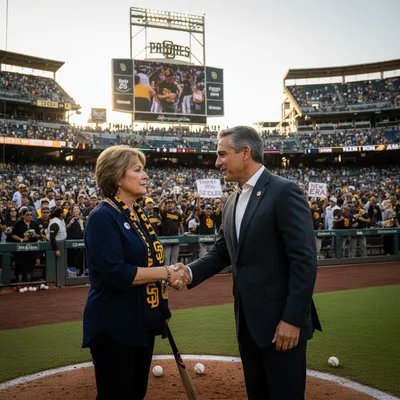
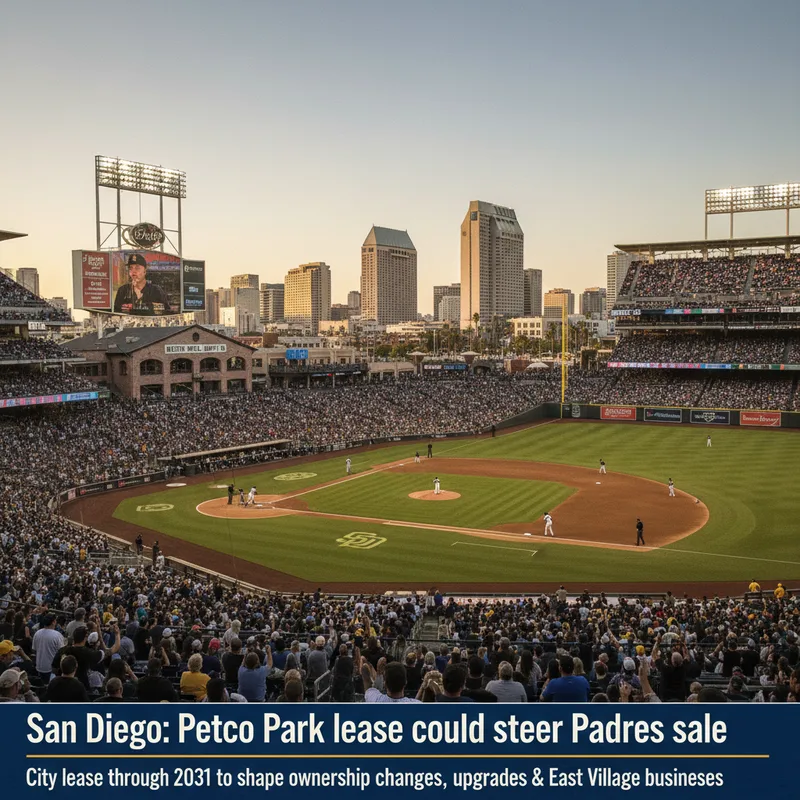
San Diego — March 15, 2026: As prospective buyers circle the San Diego Padres, the city’s ballpark agreement for Petco Park, which runs until late 2031, has emerged as the pivotal factor that will shape any sale, the team’s day-to-day operations and the fan experience in the East Village.
Unlike many pro sports venues owned outright by clubs, Petco Park is a municipal asset. The Padres play and operate there under a long-term arrangement that ties the franchise’s use of the stadium to specific obligations on upkeep, scheduling and community access. That framework doesn’t just keep Major League Baseball in downtown San Diego; it also sets the terms for how an ownership change can proceed and what the city can expect in return.
Who owns what at petco park
Petco Park is owned by the City of San Diego. The Padres have the right to stage MLB home games and manage most stadium operations, including concessions and special events, in exchange for paying agreed fees and shouldering a share of maintenance and capital responsibilities. The ballpark’s name is covered by a separate corporate sponsorship, and that branding is not expected to be affected by a change in club ownership.
Because the facility is public, the agreement sets standards for safety, cleanliness and capital projects, and it typically requires that event calendars include community-oriented uses alongside baseball. In practice, that has helped make the East Village a year-round destination while strengthening the franchise’s footprint downtown.
Relocation off the table in the near term
Any talk of moving the Padres would collide with two hard realities: the club’s league commitments and the city-controlled ballpark agreement. MLB would have to approve a relocation, and the municipal contract binds the team to Petco Park for the length of the term unless very specific conditions are met. That makes a near-term move highly unlikely. Instead, prospective buyers are evaluating the franchise on the assumption that baseball in San Diego remains a downtown anchor for at least the remainder of the current term.
The city’s leverage is not just about dates on a page. The agreement typically details remedies for non-performance and lays out where responsibility lies for everything from routine fixes to long-horizon improvements. That provides predictability for taxpayers and for the club while giving both sides a roadmap when big-ticket projects arise.
How a sale would handle the stadium agreement
In most major-league transactions, stadium agreements transfer to a qualified successor owner, subject to notice provisions and any consent rights laid out in the contract. That means City Hall would be formally brought into the loop as a sale advances, even as Major League Baseball runs its own parallel vetting process to approve incoming owners. Buyers study the fine print closely: obligations on capital improvements, rent structures, scheduling windows, insurance and indemnities all feed into the valuation calculus.
For San Diego, the key consideration is continuity — that day-to-day stadium operations remain smooth and that the club continues to meet its obligations on maintenance and access. From the buyer’s side, certainty around scheduling, sponsorships and future upgrade pathways will be just as important. The result is a detailed checklist that lawyers on both sides will move through before any closing.
Capital upgrades and who pays
Petco Park has aged gracefully, but like every two-decade-old venue it requires ongoing investment in seating, technology, player facilities and fan amenities. Agreements of this type typically spell out how capital reserve funds work, which projects count as lifecycle maintenance versus new enhancements, and when the club or city must step up with additional dollars. A new owner could arrive with fresh plans — enhanced social spaces, improved transit connections or upgrades to training areas — but they would still need to fit those ambitions within the existing framework or negotiate amendments with the city.
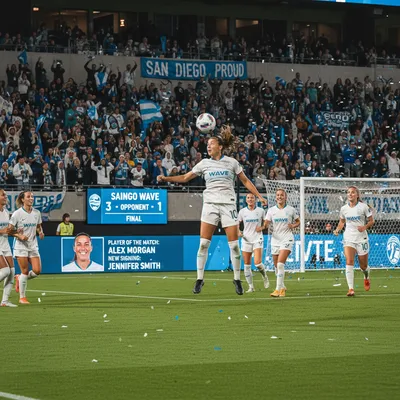
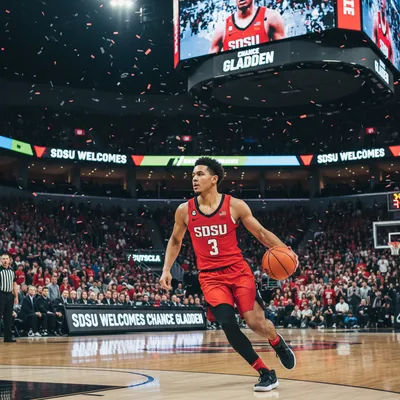
San Diego’s strong civic sports culture only heightens expectations for a first-class fan environment. From the NWSL’s momentum — highlighted as San Diego Wave FC launch season with Balboa Park fan event — to college hoops energy as San Diego State claims second seed with narrow win over UNLV, locals have shown they will show up for a compelling product. A refreshed ownership group will be expected to match that standard inside the ballpark.
Impact on fans and the east village economy
Game days ripple through the East Village, drawing crowds to restaurants, hotels and meeting spaces clustered near the San Diego Convention Center. A sale, handled cleanly, should not interrupt that economic engine; in fact, new capital and marketing could amplify it. The Padres’ downtown home also intersects with the city’s broader cultural calendar, from neighbourhood festivals to family traditions. The same cross-town enthusiasm that turns out for Lunar New Year activities — like San Diego families to make traditional rice cakes for Lunar New Year and the celebrations planned as San Diego to celebrate Year of the Fire Horse in City Heights — fuels baseball’s community pull.
Local business leaders often stress that prosperity hinges on long-term relationships, a theme reflected in the franchise’s ties to the city and sponsors. As one recent feature on founders put it, San Diego entrepreneurs find business value in kindness beyond deals. That ethos tends to play well in stadium partnerships too, where reliability and shared goals matter more than one-off wins.
Weather, attendance and why san diego has an edge
Spring baseball rewards cities with mild weather and walkable districts. San Diego checks both boxes, an advantage that underpins attendance and sponsor hospitality. It’s a different calculus for cold-weather markets, where early-season dates can be a tougher sell. For contrast, see how early spring plays out elsewhere in North America with Toronto Weather in March: Your 2026 Guide to Spring. Petco Park’s coastal climate and skyline setting help the Padres start strong at the gate — a point any buyer keeps front of mind.
Community obligations and access
Publicly owned ballparks typically include provisions for community use and youth access, which can range from charity events on the field to discounted dates and open-house opportunities. The Padres have historically supported local sport at multiple levels, and there is appetite for more, especially when it comes to girls and adaptive sport. Programmes like the new sports mentorship program for San Diego girls reflect growing demand that a refreshed ownership group could choose to elevate through joint initiatives and ballpark programming.
What happens next in a potential sale
Ownership changes in MLB tend to follow a familiar arc. Interested groups conduct due diligence, the seller selects a lead bidder and the parties enter an exclusive negotiation window. While lawyers draft definitive agreements, the league’s ownership committee vets the buyer’s finances and background. In parallel, the city is notified so that the stadium agreement can be assigned to the incoming owner in line with its terms. Only after these steps are cleared do the parties set a closing date.
For fans, the immediate message is stability. The 2026 schedule is set, season-ticket operations continue uninterrupted and stadium staff remain in place. A transfer of control, if it happens, would likely be timed to avoid disrupting home dates and major events. The visible changes — new fan zones, updated tech, fresh community partnerships — would roll out gradually.
Key checkpoints to watch
Several milestones will signal real movement:
- Public confirmation of a lead bidder entering exclusive talks.
- League ownership committee meetings and any vote schedule made public.
- City acknowledgement of lease assignment steps, if required under the agreement.
- Announcements tied to capital plans or sponsorship extensions at Petco Park.
Each marker arrives on its own timetable, but they tend to cluster once a preferred buyer emerges. Until then, much of the heavy lifting happens behind closed doors.
The bottom line
Petco Park’s status as a city-owned stadium with a long-running agreement isn’t just fine print — it is the backbone of any Padres sale. It anchors the team downtown through 2031, shapes what a new owner can and must do at the ballpark, and protects the public interest while providing stability for players, staff and fans. If a transaction advances, expect continuity on the field and at the turnstiles, with room for a new ownership group to make its mark through measured upgrades and deeper community ties.