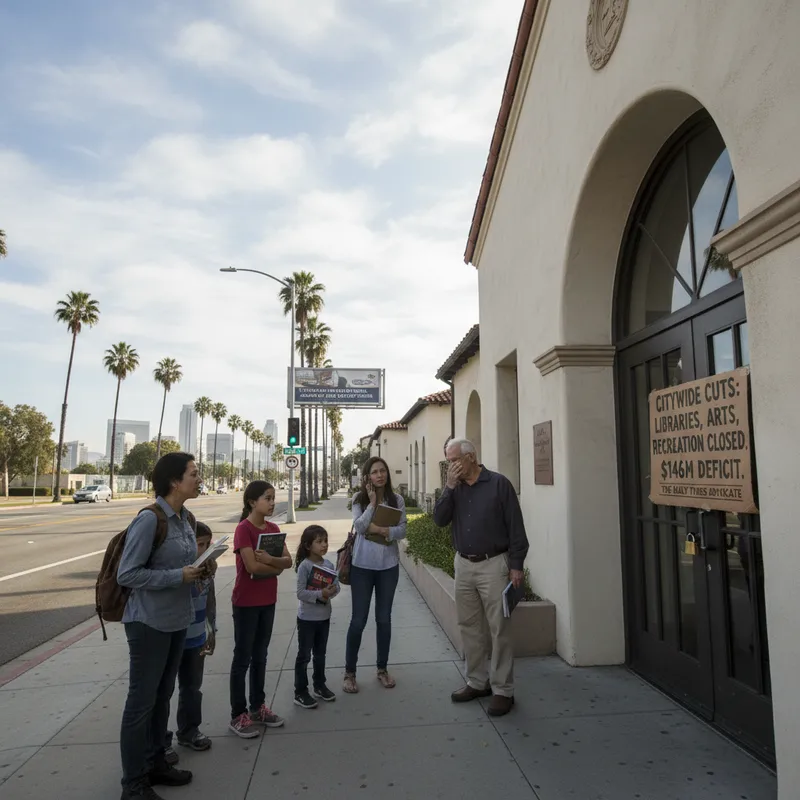
The City of San Diego is preparing for a period of significant austerity, announcing major funding cuts to arts, libraries, and recreation centres as it confronts a formidable $146 million budget deficit. The unpopular measures are part of a city-wide effort to close the massive fiscal gap, signaling difficult times ahead for residents who rely on these public services.
The belt-tightening in San Diego is not an isolated event but a symptom of a broader financial malaise affecting municipalities throughout California. Other major urban centres are grappling with similar, if not larger, shortfalls. Los Angeles is facing a $200 million deficit, Sacramento is navigating a $66 million gap, and San Francisco is projecting a staggering $873 million deficit over the next two years.
This pattern of financial distress highlights systemic challenges for local governments in the state, which are caught between rising operational costs, evolving revenue streams in a post-pandemic economy, and the increasing demand for public services from growing populations.
A statewide fiscal storm
The budget crises unfolding in city halls from San Diego to Sacramento are the result of a complex mix of economic factors. While each city has its unique fiscal landscape, they share common pressures. The shift to remote work has impacted revenue from downtown commerce and parking, while inflation has driven up the cost of everything from construction materials to employee salaries and benefits.
At the same time, state-level funding formulas can be rigid, and cities have limited options for raising new revenue without voter approval, a process that can be politically fraught and uncertain. Organizations like the League of California Cities have long documented the fiscal health challenges facing municipalities, pointing to a structural imbalance between revenues and the cost of providing essential services.
These widespread deficits force city leaders into a series of painful choices, often pitting essential services like police and fire against quality-of-life programs that define a community's character and support its most vulnerable populations. The current cuts in San Diego reflect this difficult balancing act.
The local impact on San Diegans
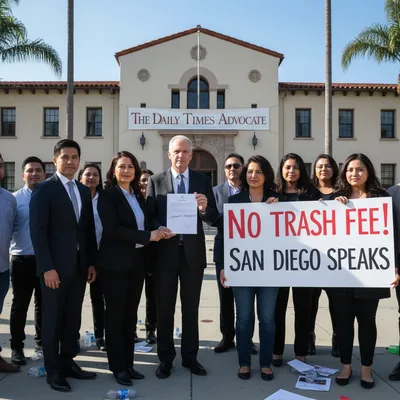
For the residents of San Diego, the impacts of these budget cuts will be tangible. Reduced funding for the arts threatens the city's vibrant cultural scene, which not only enriches the lives of its citizens but also serves as a significant driver for tourism, a cornerstone of the local economy. Fewer grants for artists, reduced museum hours, and cancelled public performances can diminish the city's appeal to both visitors and residents.
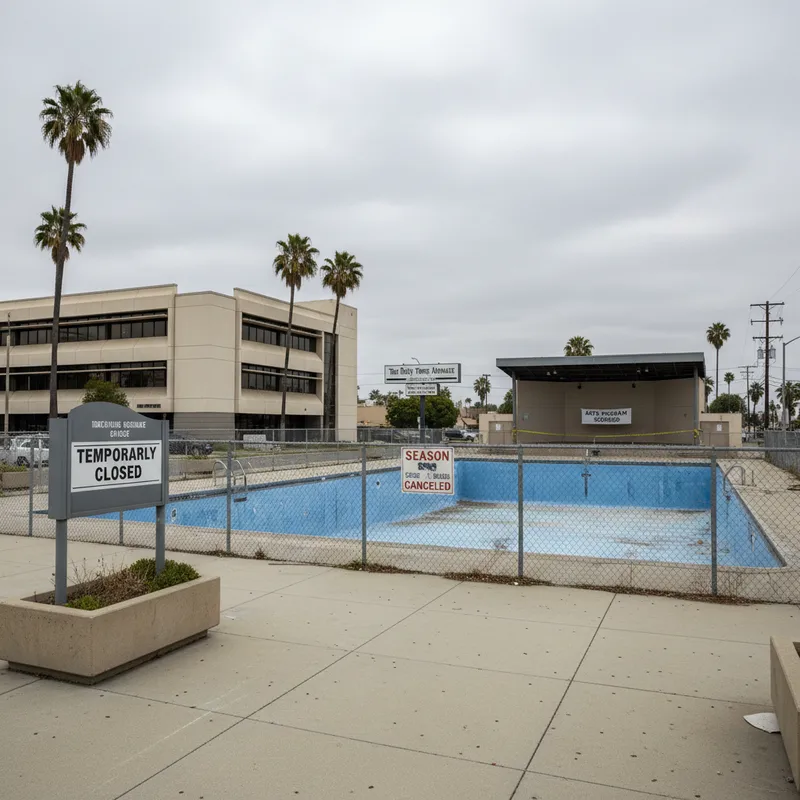
Cuts to library services mean more than just losing access to books. Libraries function as vital community hubs, offering free internet access for job seekers, safe after-school spaces for children, and essential resources for seniors and new immigrants. Similarly, scaling back funding for recreation centres removes positive outlets for youth, affordable fitness options for families, and spaces for community-building activities.
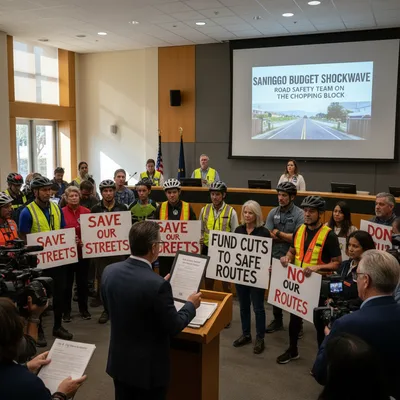
These decisions follow other recent proposals reflecting the city's dire financial situation. The proposed elimination of a dedicated road safety team, as outlined in the city's budget, shows that even areas of public safety are not immune to the fiscal pressure. These choices paint a picture of a city forced to scale back its vision for a thriving, well-rounded community.
Political landscape shapes budget battles
The budget deliberations are unfolding against a backdrop of a shifting political identity in San Diego County. Historically a conservative, Republican stronghold, the region has trended increasingly Democratic in recent presidential elections. This evolution brings a political tension to the budget process, as many elected officials and their constituents hold progressive values that champion robust social services, arts funding, and community programs. The necessity of imposing deep cuts to these very programs creates a sharp conflict with the city's prevailing political winds. Leaders are now in the difficult position of reconciling their constituents' expectations with the stark reality of the balance sheet. This tension is evident in other civic debates, such as a recent proposal to consider a new tax on corporate landlords as a potential, though controversial, revenue source. Similar issues have surfaced elsewhere, as seen in the report on three critically injured in Tacoma crash amid violent weekend.
The path forward will require careful navigation of these political waters, as every decision on what to cut and what to save will be scrutinized by a public that is increasingly feeling the effects of a shrinking municipal budget.
State politics and the search for solutions
Ultimately, the fiscal health of California's cities is intrinsically linked to the policies and financial support flowing from the state capital. As the race for California's next governor intensifies, municipal leaders across the state are watching closely. The next administration's approach to state aid, tax reform, and unfunded mandates will have a profound impact on the ability of cities like San Diego to recover from their current crises.
Candidates will undoubtedly face pressure to articulate their plans for supporting local governments. A governor who prioritizes fiscal partnerships with cities could provide a much-needed lifeline, while a continuation of the status quo could see financial struggles deepen. This makes the state-level elections critically important for the future of local services.
This dilemma is not unique to California. Across the country, local governments are facing similar financial pressures, forcing conversations about the role and cost of public services. In a parallel situation, Maine towns are questioning the financial burden of small airports, highlighting a universal tension between providing public amenities and managing their costs.
The coming months will be a critical test for San Diego's leadership as they finalize the budget. The decisions made will not only determine the city's fiscal trajectory but will also shape the quality of life for its residents for years to come.