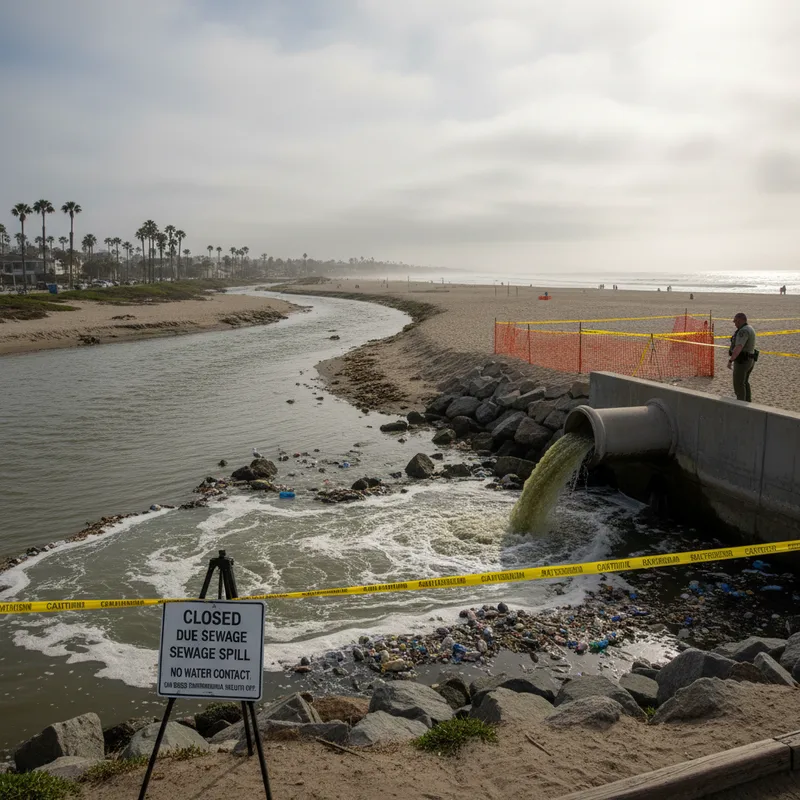
City officials have closed Dog Beach in Ocean Beach and restricted traffic on a major roadway after a pump station failure sent 18,000 gallons of raw sewage flooding into the area Wednesday morning. Approximately half of the spill, or 9,000 gallons, has flowed into the San Diego River, prompting immediate public health warnings and an urgent cleanup operation.
The leak was first reported at approximately 5 a.m. near the intersection of Friars Road and Old Sea World Drive. According to city officials, the primary cause was a failed valve at a critical sewer pump station. The resulting spill has impacted a popular recreational area and snarled morning commutes, as westbound traffic on Friars Road was reduced to a single lane to accommodate emergency crews and cleanup efforts.
Jennifer McBride, a spokesperson for the city of San Diego, confirmed the preliminary volume estimates. Crews were dispatched to the scene to halt the leak, repair the malfunctioning valve, and begin the extensive cleanup process required to mitigate the environmental damage.
Immediate closures and public warnings
In response to the spill, the County of San Diego Department of Environmental Health and Quality promptly issued a water contact closure for the shoreline at Dog Beach, located at the mouth of the San Diego River. The popular off-leash area is closed to the public until further notice. Officials are advising residents and visitors to avoid contact with water in the river and at the affected beach due to contamination.
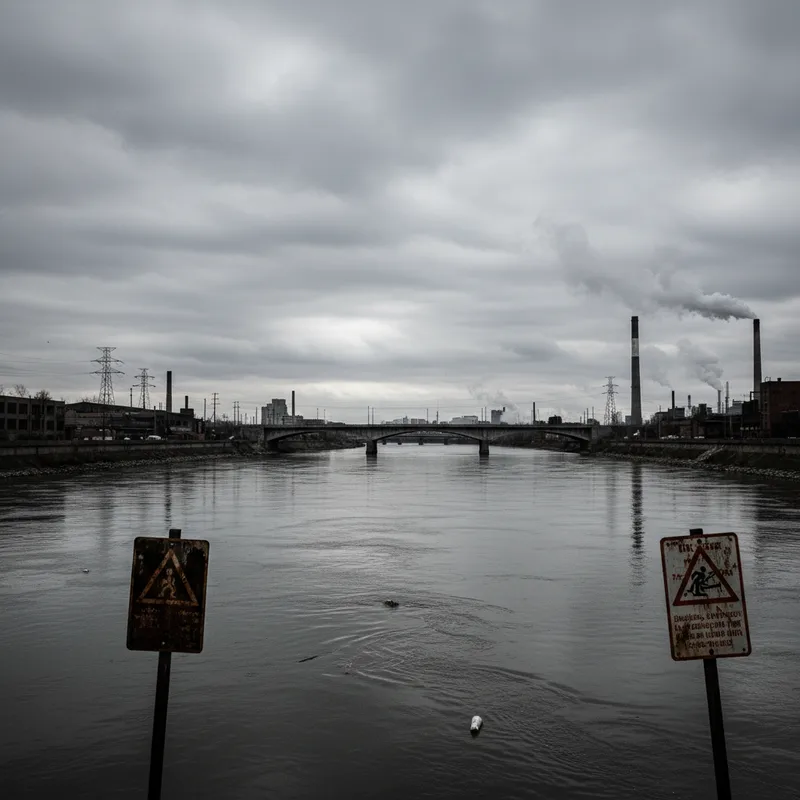
Signage has been posted along the affected areas to warn the public of the health risks associated with sewage-contaminated water, which can contain bacteria, viruses, and other pathogens harmful to humans and animals. The closure will have a significant impact on the many residents who use the beach daily for recreation.
The closure (of the beach) will remain in place until sampling shows the water is safe to enter per State guidelines.
The city is coordinating with the county on the response, with city teams conducting their own water quality sampling to assist in the ongoing assessment. This dual effort aims to expedite the process of determining when the area can be safely reopened to the public.
Environmental impact and health risks
Raw sewage poses a significant threat to both public health and the local ecosystem. According to the U.S. Environmental Protection Agency, exposure to sewage can cause a range of illnesses, including gastroenteritis, dysentery, and other infections. The bacteria and pollutants in sewage are particularly dangerous for children, the elderly, and individuals with compromised immune systems.
The influx of 9,000 gallons of contaminated water into the San Diego River is also a major concern for wildlife. Sewage can deplete oxygen levels in the water as bacteria break down the organic waste, creating 'dead zones' where fish and other aquatic life cannot survive. The nutrients in sewage can also trigger harmful algal blooms, further damaging the river's delicate ecosystem, which serves as a vital corridor for birds and other wildlife in a heavily urbanized area.
The incident is a reminder of the environmental challenges facing urban waterways. It also occurs as the city continues to implement other environmental programs, such as a new waste and recycling collection system aimed at reducing landfill use.
Aging infrastructure a persistent concern
Wednesday's valve failure highlights a wider, ongoing issue for San Diego and many other North American cities: aging public infrastructure. Many of the sewer and water systems currently in use were built decades ago and are now approaching the end of their functional lifespan. Failures like this one are often symptomatic of a need for broader systemic upgrades and investment.
San Diego's Public Utilities Department manages over 3,000 miles of sewer mains, and proactive maintenance and replacement are a constant challenge. Events like this often lead to renewed calls for increased funding for capital improvement projects to prevent future spills, which can be far more costly to clean up than the preventative measures would have been. Such industrial accidents, like a recent fatal gas leak at a paper mill, underscore the critical importance of maintaining infrastructure to ensure public and environmental safety.
The city has a long-term strategy to upgrade its water and wastewater systems, but securing the necessary budget and balancing priorities remains a complex political and financial process for the metropolitan area.
Path to reopening
Before Dog Beach can welcome visitors and their pets again, the water must meet strict safety standards set by the state of California. The State Water Resources Control Board establishes thresholds for bacteria levels in recreational waters. County health officials will take repeated water samples over the coming days, testing them for indicators of fecal contamination.
The beach will only be reopened after at least two consecutive sets of samples show that bacteria levels have returned to a safe range. Officials have not provided a timeline for this process, as it depends on factors like water currents, tides, and the effectiveness of the cleanup.
In the meantime, westbound traffic on Friars Road will likely remain affected as crews complete the valve repair and decontaminate the land-based portion of the spill. County spokesperson Donna Durckel stated that the city's sampling will 'support ongoing assessment and its response,' underscoring the collaborative effort to restore safety to the area.