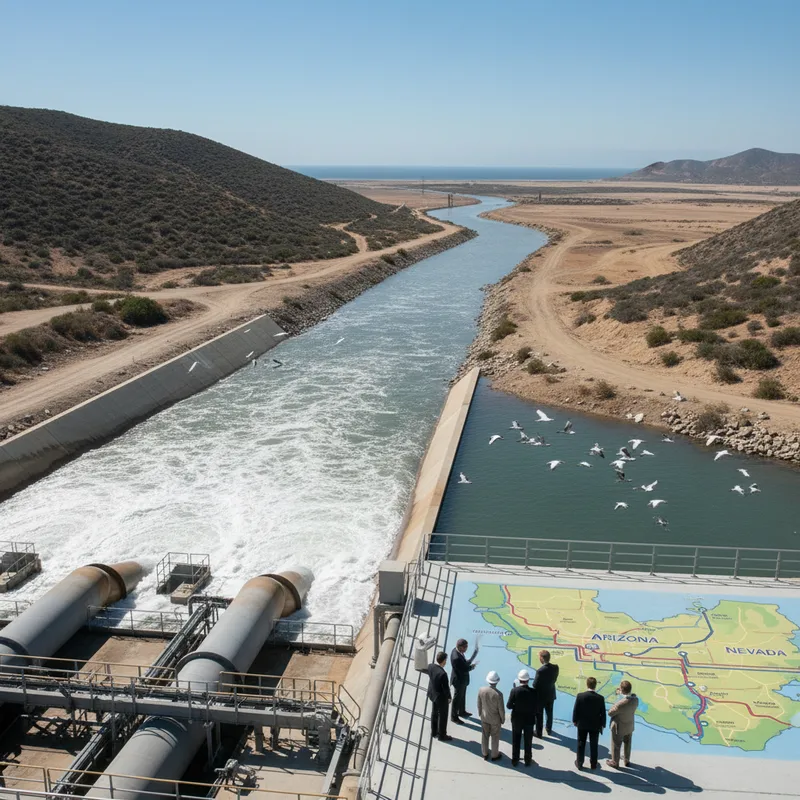
As the Colorado River crisis deepens, threatening the water supply for 40 million people across seven U.S. states, an unlikely player has emerged with a solution: San Diego. The Southern California region, once almost entirely dependent on imported water, now has such a significant surplus that it is negotiating a deal to sell its water to drought-stricken Arizona and Nevada.
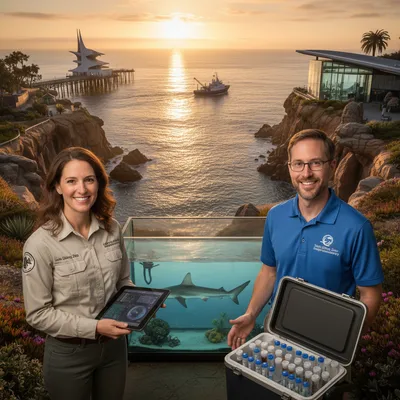
Both desert states are pursuing an agreement with the San Diego County Water Authority to acquire millions of gallons of fresh water. The water would come from the Claude “Bud” Lewis Desalination Plant in Carlsbad, the largest of its kind in North America. This first-of-its-kind arrangement aims to offset their reliance on the rapidly dwindling Colorado River.
The 1,450-mile river is facing unprecedented strain from decades of overuse, chronic drought, and a warming climate. America’s largest reservoir, Lake Mead, which is fed by the river, has fallen 166 feet from its peak in 1983. The declining water levels have triggered mandatory and voluntary cutbacks, with Arizona users having already reduced consumption by nearly a third. With a poor snowpack in the Rockies this past winter, levels are forecasted to continue dropping, according to the U.S. Bureau of Reclamation.
A dramatic reversal
San Diego's transformation from a water importer to a potential exporter is the result of three decades of strategic investments and a powerful conservation ethic. A devastating five-year drought that ended in 1992, which saw the region lose a third of its water allocation, became a crucial turning point. “The cry was ‘never again,’” said Bob Yamada, the agency’s former head of water resources.
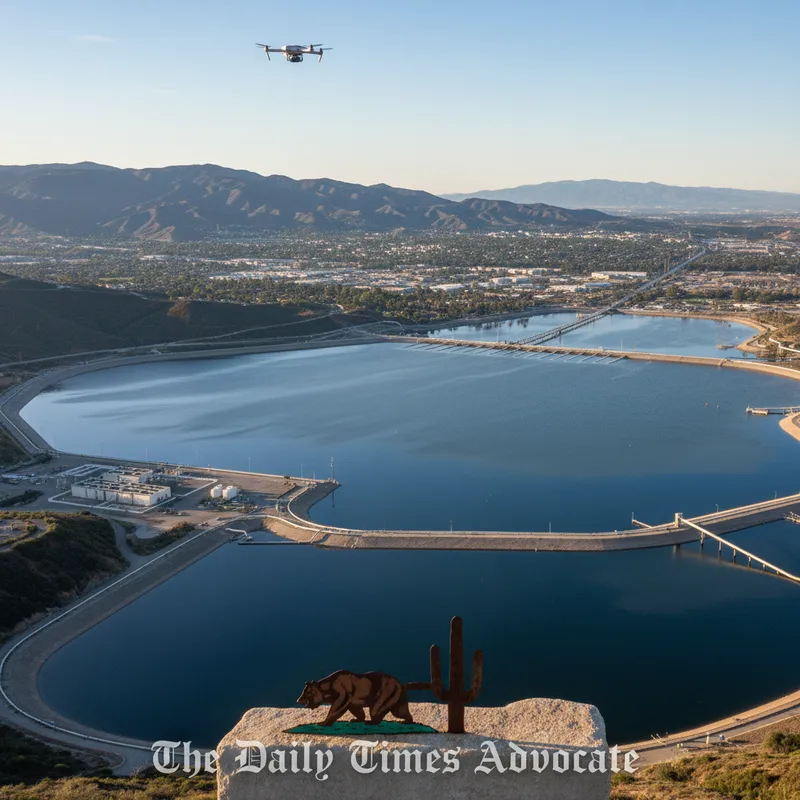
In the years that followed, the San Diego County Water Authority invested billions of dollars to achieve water independence. Key projects included raising the San Vicente Dam to more than double its storage capacity, securing rights to conserved Colorado River water from the Imperial Irrigation District, and constructing the Carlsbad desalination plant. These initiatives successfully slashed the region’s reliance on imported water from 95 per cent to just 10 per cent.
This self-sufficiency came with a hefty price tag, causing San Diego’s water rates to soar. However, the investments paid off, allowing the region to avoid the stringent water restrictions imposed on other parts of California during recent droughts. The city’s foresight has left it in an enviable position of stability.
Conservation and innovation create a surplus
While infrastructure projects expanded supply, San Diego residents were diligently cutting back on demand. Over the past 25 years, per capita water use in the region has plummeted by nearly 50 per cent. This combination of increased supply and decreased demand created an unexpected surplus of water, opening the door for new revenue streams.
My North Star is about affordability, and the way we can achieve that is we have an excess of water.
The city is further bolstering its supply with "Pure Water San Diego," an advanced water purification program that recycles sewage water into clean, drinkable water. The high-purity, low-mineral content of the recycled water has even become a surprise hit with the city’s famed craft brewers. AleSmith Brewing Co., one of many popular spots listed in San Diego’s brewery guides, used the purified water to create a sold-out dry-hopped lager called Re:Beer.
A new model for the West
The proposed water-transfer agreement is not a physical shipment of water from Carlsbad to Phoenix or Las Vegas. Instead, Arizona and Nevada would help fund the desalination plant’s annual production of 56,000 acre-feet of water, enough for about 500,000 people. In exchange, they would gain access to San Diego’s share of Colorado River water. In other regions facing similar challenges, such as Boston, mayors are proposing climate-driven pricing, showing new ways to manage resources. Such water-transfer deals are becoming increasingly common tools for managing regional shortages across state lines.
“It’s not a silver bullet but several pieces of silver buckshot,” said John Entsminger, general manager of the Southern Nevada Water Authority, who plans to sign an exploratory agreement with San Diego. Similar collaborations are emerging across the West. Both Nevada and Arizona are partnering with the Metropolitan Water District of Southern California to construct a massive sewage water treatment facility in Los Angeles County, which could one day serve 1.5 million people across the three states.
Even Utah has expressed interest in funding additional Pacific Ocean desalination plants in California in exchange for more rights to the Colorado River, an idea that California Governor Gavin Newsom has supported. These creative, cross-state partnerships signal a major shift in how Western states approach water security. As one expert at the National Alliance for Water Innovation noted while talking to the Wall Street Journal, many water utilities with excess capacity will likely look to sell it to those in need.
Former longtime general manager of the Valley Center Municipal Water District in north San Diego County, Gary Arant, said water managers are finally accepting a new reality. “I think we’re moving to a realization,” he said.