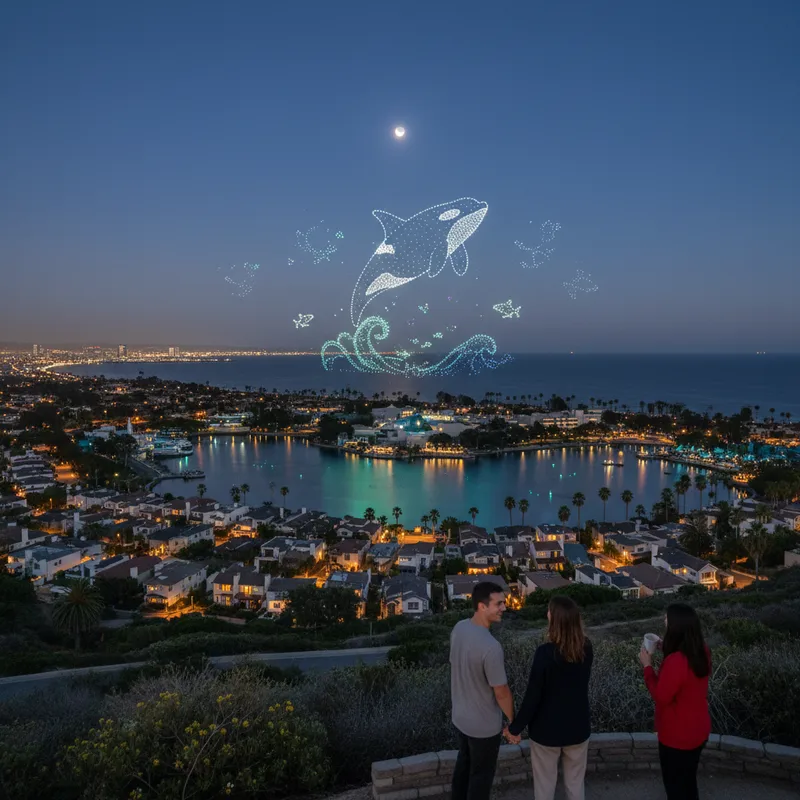
SeaWorld San Diego is moving to end its decades-long tradition of nightly fireworks, proposing to replace the controversial displays with modern drone light shows. The move follows years of sustained criticism from residents and animal welfare advocates over noise and environmental pollution.
The theme park's fireworks have been a source of community debate for many years. For some, the colourful explosions lighting up the sky over Mission Bay are a cherished spectacle. For many others, particularly those in nearby neighbourhoods like Ocean Beach and Sunset Cliffs, they are a nightly nuisance. The loud blasts have been cited as a significant disturbance for pets, wildlife, and military veterans suffering from post-traumatic stress disorder (PTSD).
Long-time residents have witnessed the evolution of the park and its entertainment. When SeaWorld first opened in the 1960s as a marine zoological park focused on animal rescue and rehabilitation, large-scale nightly fireworks were not part of the program. Over the decades, the shows grew in frequency and intensity, becoming a signature-end-of-day feature for the park, with as many as 150 shows held annually.
Environmental concerns have also been a major point of contention. Activists and residents have long worried about the chemical residue and debris from the fireworks falling into Mission Bay and surrounding communities, affecting air and water quality. These concerns echo findings in other areas regarding the impact of federal funding, such as reports that COVID school aid helped but fell short of reversing learning loss.
Decades of community complaints
Community groups have been campaigning for an end to the fireworks for years. One such group, Strategic Actions for Animals, led by Amit Dhuleshia, has been actively working to highlight the environmental damage and noise pollution caused by the shows. Dhuleshia’s campaign focuses on the well-documented fear response in domestic pets and wild animals, as well as the harmful effects of toxic elements released by the explosives.
Judi Curry, a resident of the Sunset Cliffs area since 1967, has written about her personal experiences with the nightly displays. She described dogs panicking at the sounds and a visiting Vietnam veteran who had to leave her home because the fireworks triggered his wartime trauma. This sentiment is echoed by many who live within earshot of the theme park.
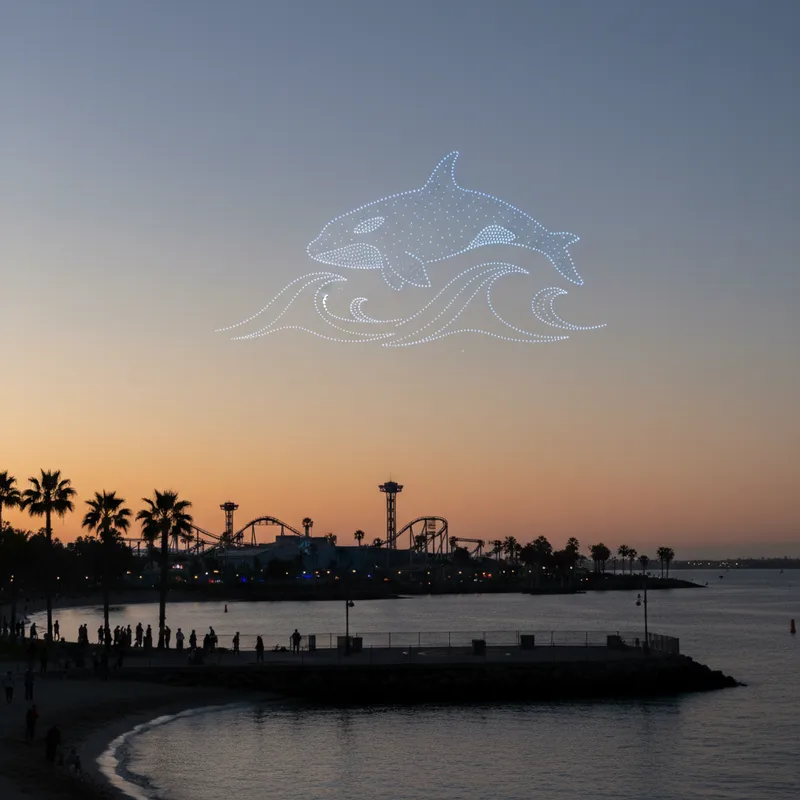
The shift away from pyrotechnics represents a significant change in SeaWorld's approach to its entertainment offerings and its relationship with the local community. It also aligns with a broader trend of major event organizers seeking more sustainable and less disruptive alternatives to traditional fireworks.
A quieter, cleaner alternative
Drone light shows have emerged as a popular high-tech alternative. These displays involve hundreds, or even thousands, of coordinated, illuminated drones moving in formation to create complex shapes, patterns, and animations in the night sky. They offer a visually stunning experience without the explosive noise and chemical fallout associated with fireworks. This technology allows for greater artistic flexibility and can be tailored to tell stories or create intricate designs.
While the fireworks have been a source of conflict, SeaWorld remains a significant economic and cultural institution in San Diego. The park has occasionally been a civic partner, contributing funds to local projects. Following a lawsuit settlement over the park's land use, SeaWorld provided $8 million to the City of San Diego for improvements to parks and other facilities, demonstrating a complex, and at times collaborative, relationship with the city.
The proposed change is part of a larger, ongoing evolution for the park, which continues to navigate its role as both an entertainment destination and a centre for animal conservation. The park often collaborates with other local institutions on conservation efforts, such as a recent partnership between the San Diego Zoo and Scripps Oceanography to save marine life.
Looking ahead
The plan to switch to drones could mark the beginning of a new, quieter era for Mission Bay and its surrounding neighbourhoods. While SeaWorld has not yet announced a specific timeline for when the fireworks will end and the drone shows will begin, the proposal itself is a major step toward resolving a long-standing community issue. The decision follows other recent environmental debates in the county, including the withdrawal of a controversial battery storage project in Escondido following public outcry.
For many residents who have campaigned for this change for years, the prospect of peaceful, silent nights is a welcome development. The move also reflects a growing awareness of environmental responsibility in large-scale entertainment, similar to energy-saving initiatives seen elsewhere, such as a recent $7.8 million energy efficiency upgrade at a school in Tacoma.
The effectiveness of the new drone show as a replacement for the grand finale of a day at the park remains to be seen. However, the decision signals a willingness from SeaWorld to listen to community feedback and adapt its operations. The transition will be watched closely by residents, environmental groups, and theme park visitors alike.